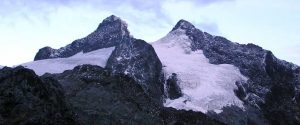
Bwindi Impenetrable National Park is in South Western region of Uganda and is part of Bwindi Impenetrable Forest which is next to Virunga National Park in Democratic Republic of Congo. The park covers an area of around 321 square kilometres and is mostly made up of both lowland and montane tropical forest. The park is at the edge of the Western Rift Valley in the highest parts Kigezi Highlands and the relief is rugged with narrow valleys intersected by rivers and steep hills. The park’s altitude ranges from 1,190m to 2,607m above sea level and most of the park is over 2000 meters. The park’s Afromontane forests has more than 220 tree species and over 100 fern species.
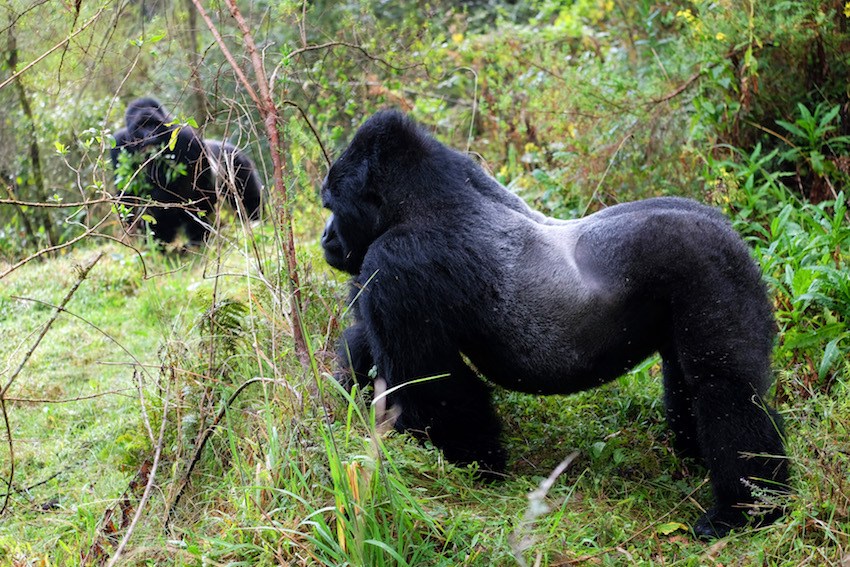
It is most notable for the 400 Bwindi gorillas, half of the world’s population of the endangered mountain gorillas. 14 habituated mountain gorilla groups are open for trekking by tourists in four different sectors of Buhoma, Ruhijja, Rushaga and Nkuringo in the Districts of Kanungu, Kabale and Kisoro. All are under the management of Uganda Wildlife Authority.
The Impenetrable Central Forest Reserve, along with Mgahinga Gorilla Reserve and the Rwenzori Mountains Reserve, were designated as national parks in 1991 and the forest reserve was renamed; Bwindi Impenetrable National Park. It covered an area of 330.8 square kilometres and was declared in part to protect a range of species within it, more especially the endangered mountain gorilla ape species. However, on the other hand, this reclassification largely impacted the Batwa pygmy people who were evicted from the forest and are no longer permitted to access the park or its resources. In April 1993, the park became a popular tourist destination for trekking Mountain Gorillas.
The forest is an important water catchment area with most of the rain received forming streams and the forest has a dense network of streams. The forest is a source of many streams that flow to the north, west and south of the park and some of the rivers include; Ivi, Ihihizi, Ntengyere, Munyanga and Ishasha, they drain into lake Edward.
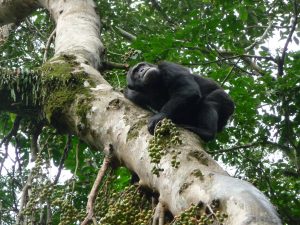
It is home to around 120 mammal species, 348 bird species, 220 butterfly species, 27 frog species, Geckos, Chameleon and other endangered species. Along with mountain gorilla, some other mammals living in the park include; common Chimpanzee, L’Hoest’s monkey, African Elephant, Black and white colobus, Red-tailed monkeys, Vervets, Giant Forest Hog, and small antelope species, Side-striped jackal, African golden cat, and African civet. Some of the birds living in the park include; Black Bee-eater, Western Green Tinkerbird, African Green Broadbill, Yellow-streaked Greenbul, Red-throated Alethe, Archer’s Robin-Chat, White-bellied Robin-Chat, Kivu Ground-Thrush, Mountain Yellow Warbler, Grauer’s Rush Warbler, Red-faced Woodland Warbler, Short tailed Warbler, Black-faced Rufous Warbler, Grauer’s Warbler, Chestnut-throated Apalis, Collared Apalis, Mountain Masked Apalis, Yellow-eyed Black Flycatcher among many more.
Some of the things to do in and around the park include;
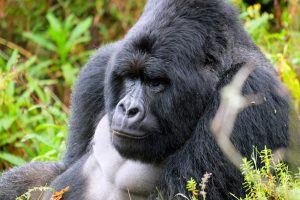 Gorilla trekking and habituation: Gorilla trekking is the major activity done around the park and visitors get a chance to see Mountain Gorillas in their natural habitat. The activity is done once a day and starts at 8am and trekkers are given one hour with the gorillas and is done in the company of an armed park ranger guide. Gorilla habituation is like trekking, but the only difference is that trekkers get to spend 4 hours with the gorillas, which is more than enough time to watch and learn a lot about the gorillas. Gorilla habituation in Uganda is only done in Bwindi (Rushaga sector).
Biking around Buhoma: This is a great activity done in around the park. There are mountain bikes you can rent around Bwindi. The rides can go from 30 minutes to 4 hours depending on the rider’s interest. The activity is usually done in the company of guides. You can also ride through the forest and expect to spot various birds and monkeys or visit neighbouring local villages.
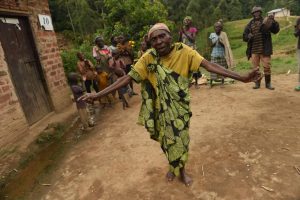
The Batwa Community Experience: The Batwa were the indigenous people of the forest who were forced to leave when it was made a national park. They now life live in communities around the park. They left a small ecological footprint on the forest and lived in harmony with nature. You can visit the forest with the Batwa People and learn about their traditional ways of hunting and gathering. The Batwa Experience takes place in the Buhoma area.
The Buhoma Village Walk: A village walks offers opportunity to interact with the locals around the park. The Village Walk is with a guide who is friendly and knowledgeable about local culture and customs. You will see how people make local crafts such as baskets with the most intricate designs – beer made from Bananas, and a distillery that makes the local Waragi Gin from Bananas, meet a traditional healer and learn of what is gathered in the ancient forest and how it is taken. It is certainly a cultural learning experience and the cost of the walk supports the local community.
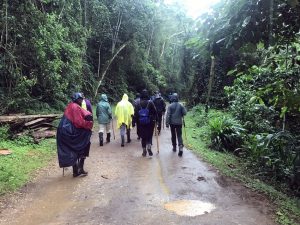
Hiking through the Forest: The Hike through Bwindi Impenetrable Forest can be one day or longer hike from the north of Bwindi to the South. On Nkuringo trail, one can stay overnight and continue the next day down to scenic Lake Mutanda where you paddle across in a wooden dugout and continue to the town of Kisoro. This is the most popular hike along two trails of Bwindi, there are however other trails and nature walks, most from easy to moderate in and near the Forest that can be explored on foot and is always in the company of a ranger guide.
Birding: with over 300 bird species living in the forest, it is a great birding place. There are various trails within the park that tourists follow as they look for the birds.
Book a trip with us now to this great national park and we promise you endless memories.