Queen Elizabeth National Park is in western Uganda and borders with districts of Kasese, Rubirizi, Kamwenge and Rukungiri and is around 400 kilometres South-west of Kampala. The park covers an area of about 1978 square kilometres and extends from Lake George in the north east to lake Edward in the south. The park was named after Queen Elizabeth II to commemorate her visit in 1952.
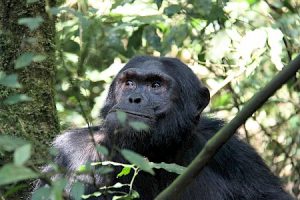
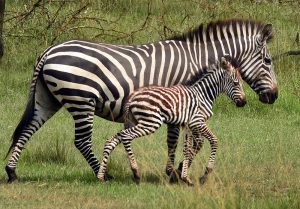
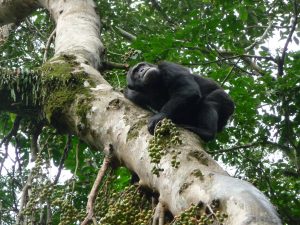
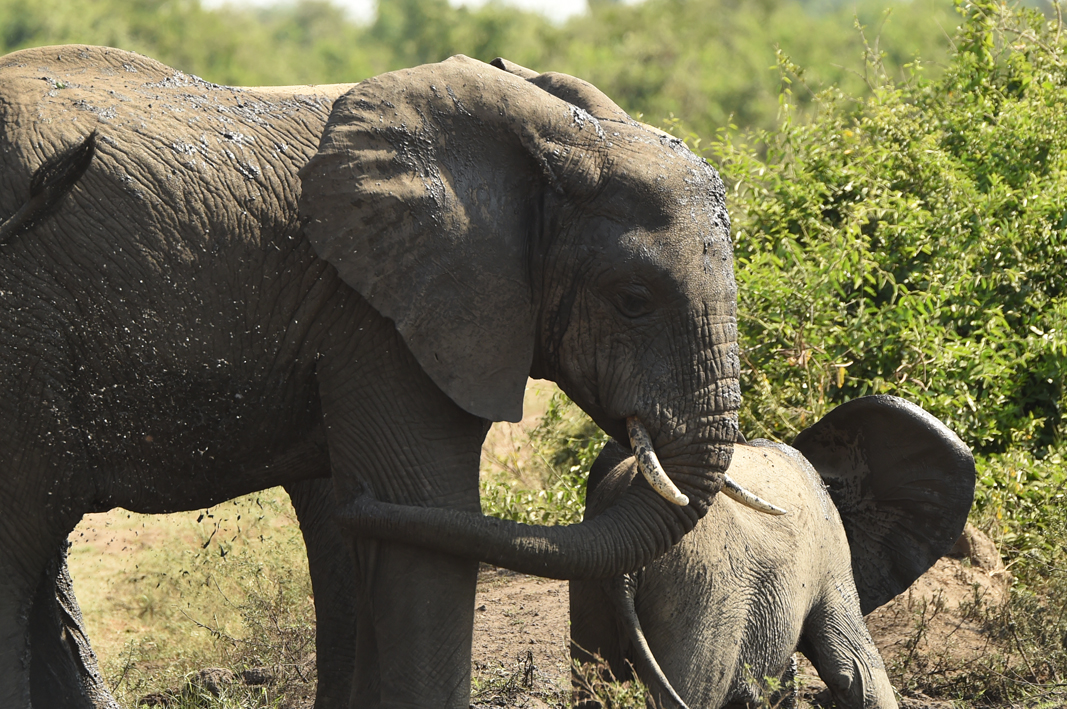
The park is known for its wildlife diversity. It is home to about 95 mammals, some of which include; African Buffalo, Ugandan Kob, Hippopotamus, Giant Forest Hog, Warthog, Nile Crocodile, African Bush Elephant, African Leopard, Lion, and Chimpanzee. The park is commonly known for the tree climbing lions that live in the southern sector of the park (Ishasha).
There are also over 600 bird species living in the park and some of them are; African finfoot, African hobby, African skimmer, Ayres’s hawk-eagle, Black bee-eater, Black-rumped buttonquail, Broad-billed roller, Caspian plover, Collared pratincole, Common sand martin, Crab-plover, Great blue turaco, Great white pelican, Grey-winged Robin-chat, Heuglin’s gull, Palm-nut vulture, Papyrus gonolek, Pel’s fishing-owl, Pink-backed pelican, Red-chested Sunbird, Rufous-bellied heron among many others.
Set against the backdrop of the jagged Rwenzori Mountains, the park’s magnificent vistas include dozens of enormous craters carved dramatically into rolling green hills, panoramic views of the Kazinga Channel with its banks lined with hippos, buffalo and elephants, and the endless Ishasha plains, whose fig trees hide lions ready to pounce on herds of unsuspecting Uganda kob.
There are various activities you can participate in while on your visit to queen Elizabeth national park.
Game Drives: The activity is usually done in 4×4 safari vehicles to provide great visibility through the popup roof and sliding windows. You will patrol the savannah grasslands with your guide for about 2-4 hours in the morning or late afternoon when the animals are most active. You will expect to spot some of the animals that live in the park as well as various savannah bird species. Treat each game drive as you first, because every drive has the capacity to surprise and delight, however many safaris you have experienced.
Boat ride on the Kazinga Channel: the boat cruise offers something special, peaceful feeling as you watch the animals. You can often get far closer to larger groups than you can in a vehicle on land. Boat safaris take place twice a day on the Kazinga Channel, which is a 40-kilometre-long water body that links Lakes Edward and George. Different sized boats are available, but all safaris drift along the shore to Pelican Point. You can expect to see elephant, hippo, buffalo, antelope, crocodile, monitor lizard and a wonderful range of aquatic bird life.
Chimp tracking: This is done in the Kyambura gorge that is covered by tropical forests. The Kyambura River has cut a deep gorge into the Kichwamba Escarpment, with sides too steep for large herbivores to exploit, dense forest clads the gorge sides providing the perfect habitat for large primates, particularly chimpanzees. The gorge has one habituated chimpanzee group that is open for tracking by tourists. Expect to come across various forest bird species.
Game drive in Ishasha: Ishasha is an area of open woodland in the south-west of the Park on the way to Bwindi Impenetrable Forest. It is explored by game drives and. It is a great place for delightfully private game drives and sundowners to remember. You shall expect to spot Lions resting in fig and cactus trees. It is so breathe taking!
Crater Lakes Drives: There are 72 craters of different sizes scattered throughout the park, evidence of the area’s tumultuous volcanic history. Many of these are clustered in the north of the Park making for a fascinating half-day drive when the view and a geologic record is the focus rather than the wildlife.
Katwe Salt Pans Visit: This visit offers opportunities to interact with the local people who mine the salt from Lake Katwe. They practice a trade with deep historical roots that once formed the wealth of a powerful kingdom. Move around the pans, and observe the traditional techniques applied in the shadow of an abandoned processing plant that proved unable to handle the high levels of salinity found at Katwe. The sun is so harsh around here more so during the dry season and may not stay long in this place, but the visit is worth it.
Maramabagambo Forest Walks: the Maramagambo Forest is the perfect place to spend half or even a full day for those who love nature walks. Sheltered from the hot sun by the dense canopy, you can explore the shadows, discovering species not seen in open plains, stumble across hidden crater lakes and marvel at the sheer mass of life found within a bat cave. Expect to spot different wildlife species that live in the forest like animals, birds, reptiles, insects, plants among many more.
Getting there
Queen Elizabeth National Park can be accessed most easily from Kampala.
By road; The tarmac road from Kampala via Mbarara town and Bushenyi leads to the centre of the park, passing just 22 km from Mweya Peninsula, the main tourism hub. Approaching the park from the south via Mbarara covers a distance of 420km while the north through Fort Portal covers a total of 410 km.
En-route to the park, visitors could enjoy short detours to Lake Mburo National Park, Rwenzori Mountains and Kibale National Park, renowned for its chimpanzee tracking. The park can also be accessed from the south from Bwindi Impenetrable National Park.
Air travel; Charter flights can be arranged to existing airstrips of Kasese, Mweya and Ishasha. The flights can be from Entebbe/ Kajjansi.